
CRISPR Gene Editing: Breaking Barriers for Rare Disease Treatment
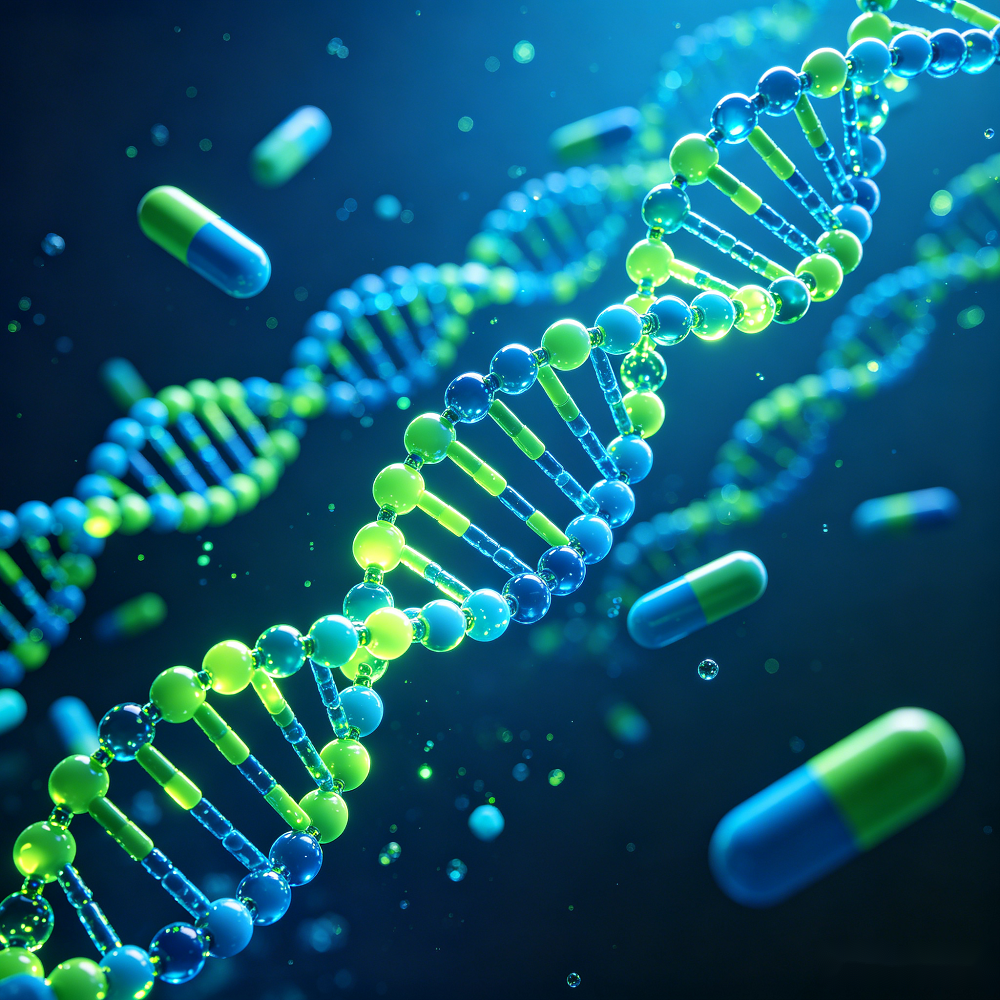
Rare diseases, with low incidence and complex pathogenesis, have long been known as “intractable diseases” in medicine. Most rare diseases
Rare diseases, with low incidence and complex pathogenesis, have long been known as “intractable diseases” in medicine. Most rare diseases
Global medical development is undergoing a profound structural change in 2026, with health equity officially moving from a marginal social
The human gut microbiome, known as the “second genome”, plays a core regulatory role in human metabolism, immunity, nervous system
Artificial intelligence has evolved from an experimental medical tool to a core clinical assistant in 2026, with generative AI leading

2026 witnesses a comprehensive paradigm shift in global medicine, with the medical model gradually transforming from the traditional “disease-centered” passive
Neurological diseases, represented by multiple sclerosis (MS) and neurodegenerative disorders, have long been difficult clinical problems due to their complex

New drug research and development is characterized by long cycle, high cost and high risk, which makes it difficult for

Cardiorenal metabolic diseases including cardiovascular diseases, diabetic nephropathy and lipid metabolism disorders are the leading causes of global chronic disease
Global medical development is undergoing a profound structural change in 2026, with health equity officially moving from a marginal social
The human gut microbiome, known as the “second genome”, plays a core regulatory role in human metabolism, immunity, nervous system